





How to Choose Floating Frames for a Modern Gallery Look
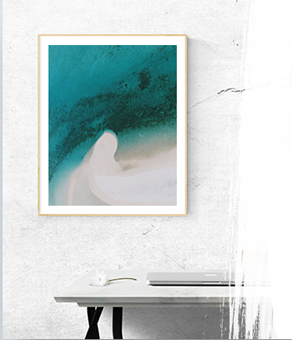
If you have ever stepped into a gallery or an aesthetically designed house, where art looked like it was hovering from the walls without anything surrounding it, then most probably it was floating frames you were viewing. There is a certain appearance effect that only such frames can provide, and once you learn how it is done, it is not that difficult to accomplish.
Here are some important points you should know before purchasing them.
What Floating Frames Actually Are
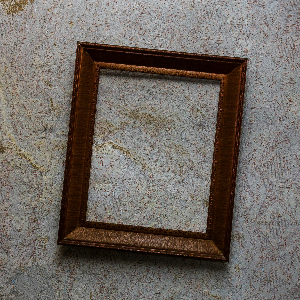
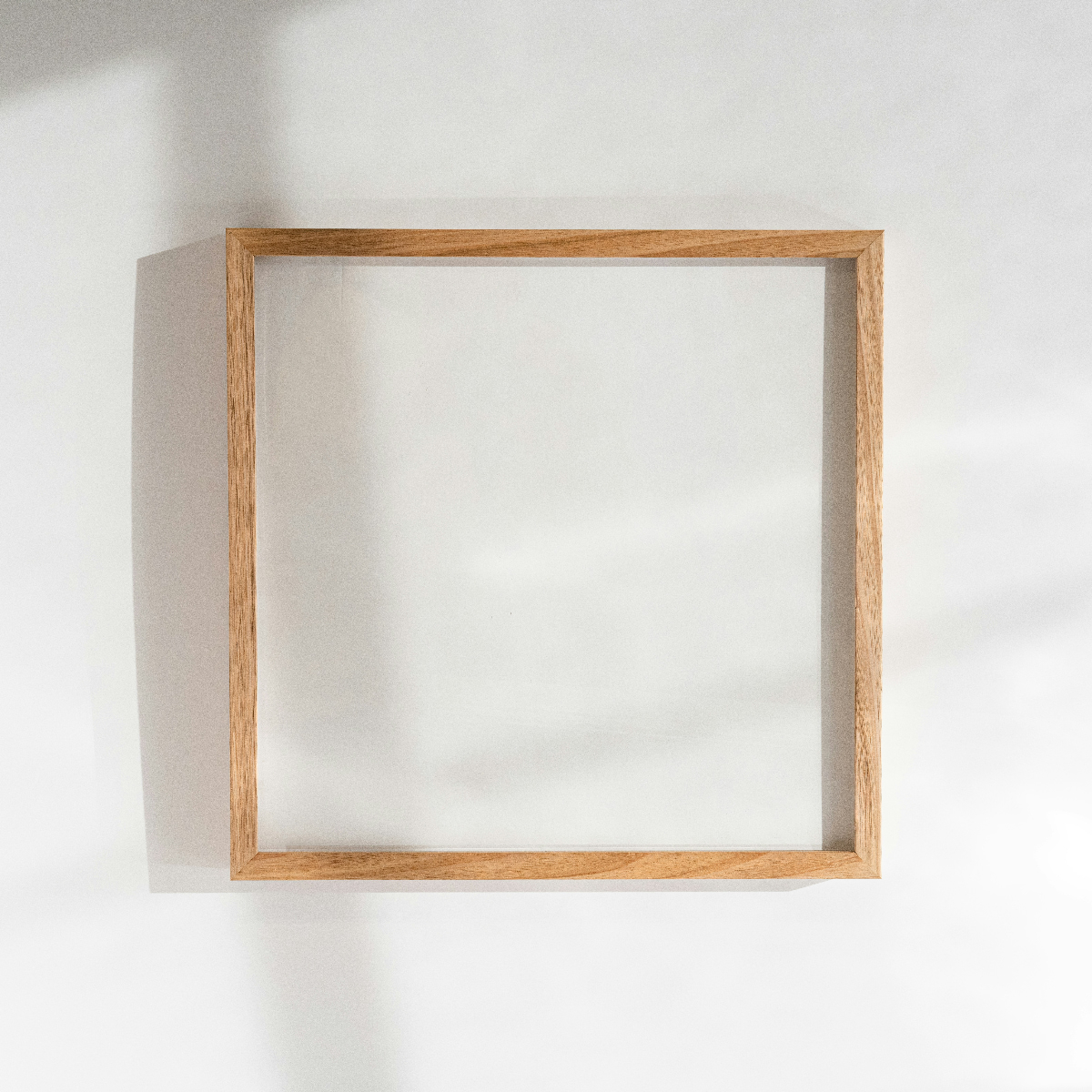
When an artwork is placed inside a floating frame, there is a noticeable space between the piece's edge and the inner frame wall. The artwork seems to float inside the frame rather than being contained within it.
This works best on stretched canvas paintings, canvas prints and any other kind of artwork where the edges are essential to the artwork. The floating frame gives the artwork a contemporary look which the traditional frame can never achieve since the edges of the canvas are exposed and not hidden by the rabbet.
Choosing the Right Depth
When purchasing floating frames, this is the most crucial technical choice that most people ignore.
The depth of the frame must correspond to the dimension of your artwork or canvas. The depth of a typical gallery-wrapped canvas ranges from three-quarters of an inch to one and a half inches. The canvas won't sit properly if your frame is too shallow. The artwork will appear recessed rather than floating if it is too deep.
Depth is a requirement when you place an order using Art to Frames' custom framing options, so instead of hoping a stock option would suit your actual item, you are designing a frame to fit it.
Choosing a Finish Compatible with Your Room
There are many finishes for floating frames, but your choice should completely depend on your room and the picture.
Finishes like natural wood or light wood would go well in the interiors of Scandinavian design, organic style, or even bohemian style rooms. Wood with dark tone or black profiles can be used in modern or minimalist rooms where the priority is in keeping the picture at focus. Metal finishes of brushed gold or silver would look nice in curated interiors where the frame serves as an additional touch of design.
The best way to choose a frame is to start from your existing interior palette.
Getting the Gap Right
Another characteristic of the floating picture frame is the space left between the picture and the inner edge of the frame. The space should be sufficient to give a feeling that the image is floating, while at the same time not being too much as it may make the image appear incomplete.
A good measure of this space would be an eighth to a quarter of an inch for canvas pictures.
Where They Work Best
Floating frames can be used anywhere a minimalist or gallery-style setting is desired. The living room, study, or bedroom can all serve as good places. In addition, they are ideal for rooms where there is a lot of sunlight since the space between the frame and artwork causes slight variations in shadows during the day.
To create a complementary wall design using the Art to Frames picture frames range, floating frames can be combined with traditionally framed artworks.
You do not need a renovation or a decorator to get there. The right floating frames, fitted correctly and placed deliberately, do most of the work.
Visit Art to Frames to explore options in the finishes and depths that suit your space, or get in touch if you want help before you order.
That gallery feeling you have been after is closer than you think.