





Step by Step Guide on How to Frame a Canvas Like a Pro
It shouldn’t be too tricky to frame your canvas, and more often than not, it isn't, but there are some things that quickly go sideways if you don't keep an eye out. Wrong depth, wrong size, not enough of the hardware to handle the weight. Those are the small things that could quickly spiral into big if you're unaware of them.
Luckily for you, if you want to learn how to frame a canvas properly- whether you just acquired a stretch painting, photograph gallery wrap, or print of a canvas painting.
Here’s a step-by-step process to help.
Step 1: Measure Your Canvas Correctly
First off, take a measure of the canvas you own now - do not go for the image area, use the outer stretcher bar dimensions of the canvas and write down, to begin with, how many inches wide then how many inches tall.
This is the measurement you will use when ordering your frame. So learn to frame a canvas right, for a frame built to the wrong size is a frame that cannot do its job.
Also measure the depth of your canvas, the distance from the front to the back face. You can't get a thicker stretcher bar on all frames and the depth of canvas varies. A typical gallery wrapped canvas is typically between 3/4” and 1 1/2” deep.
Step 2: Choose a Frame Style to Match the Canvas
The two major styles of frames used for canvas are:
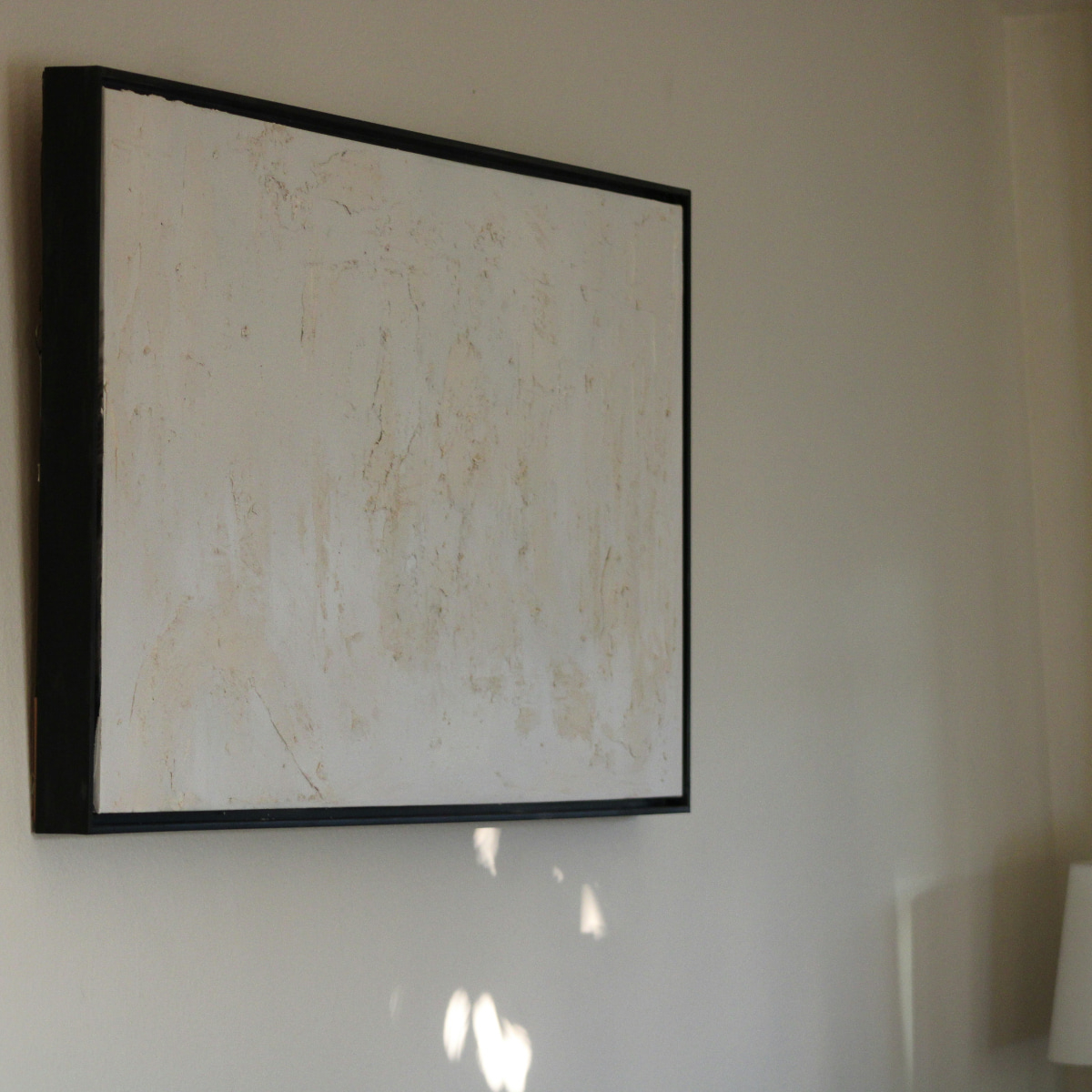
The floater frame is the most common way to present a canvas. They leave a little bit of space around the edges of the frame and suspend the canvas a little bit off the sides so it feels like a really clean gallery quality piece. That’s why it’s called a floating frame. The canvas seems to be floating within the frame.
Traditional frames with a rabbet sit level with the canvas edges for a more classic, enclosed look. They are good for painted canvases with a lot of texture or detail at the edges you wish to partially hide.
Here at our custom framing we offer both styles in a variety of finishes so you can match the frame to the mood of the piece rather than having to settle for whatever is available.
Step 3: Match the Frame Depth to the Canvas
This is the step most people skip and regret. The frame needs to be deep enough so that the canvas fits inside without the stretcher bars touching the back of the frame or the face of the canvas sitting too far back inside the frame.
For floater frames, you want about an eighth to a quarter inch clearance between the edge of the canvas and the inner frame wall. And that’s what gives it the clean floating effect. Too much clearance and the canvas looks lost. Too little, and it looks pinched.
With Art To Frames, the depth spec is part of the custom order so you don’t really have to guess if the frame will fit.
Step 4: Attach the Canvas to the Frame
Once your frame arrives, lay it face down on a clean, soft surface so you don’t scratch either the frame or the canvas. Place the canvas in the frame and ensure it is evenly placed on all sides.
Floater frames are constructed with small clips or offset clips that suspend the canvas from behind without disturbing the front. For the traditional frames, the canvas rests against the rabbet and is held in place with glazier points or turn buttons all the way round the back edge.
Take your time on this one. It really does make a difference to how the finished piece looks from the front, taking an extra few minutes to get the canvas sitting evenly before you secure it.
Step 5: Hang & Attach Hardware
If you can, install the hanging hardware on the back of the frame before inserting the canvas. That makes it easy to work with. For larger canvases the most flexible method of leveling the piece on the wall is to use a wire strung between two D-rings. Art To Frame's wire pack has everything you need to hang securely and level.
Make sure the wire is pulled tight and in the center before hanging. Place a level against the wall to check the frame for straightness. Seems obvious, but a slightly crooked frame is one of those things you can’t unsee.
Get the Frame Built Right the First Time
Knowing how to frame a canvas is half the equation. The other half has a frame that actually fits. Art To Frames build custom frames to your exact canvas dimensions, so there is no guesswork and no trimming involved. If you want a hand figuring out the right style or depth for your specific piece, the team is easy to reach on the contact page.
Frame it once. Frame it right.