





7 Professional Gallery Secrets for Framing Artwork
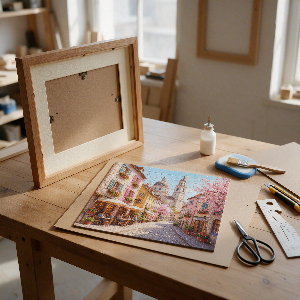
Walk into a well-designed gallery and the ambiance immediately reassures you. This is achieved in part by the many little details that are made with the viewer in mind. Here are seven professional tips and secrets for framing artwork, taken straight from the walls of the gallery.
Let the Art Speak for Itself in Terms of Its Frame
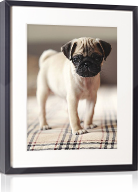
Framing artwork is often about the relationship between what is being framed and the material used for the frame. In the professional world, it begins with understanding what this relationship should be before moving onto more practical considerations. A relaxed sketch, for example, would require a thinner, subtler frame from our selection of frame styles, whereas a dynamic painting may be better suited for something bolder and more textured.
Invest in UV Protective Glass
The standard glass of picture frames does not stand up to UV light, meaning the colors in artwork will inevitably fade over time, even if the piece is not displayed for long periods of time outside. Conservation glass, on the other hand, is specially treated to keep UV light from accelerating this process, which is why it is preferred for the more valuable pieces in our gallery.
Consider the Weight, Centering and Borders of the Mats
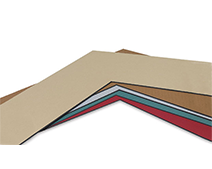
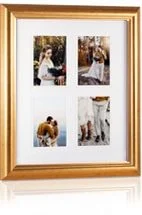
It is common for mats to be mounted to a picture frame evenly on all sides, but professionals tend to make the bottom border slightly larger than the top and sides. This creates a subtle optical illusion that prevents the piece from looking like it is sliding downward within the frame. This effect is often achieved with our photo mats, which can be cut to this specification.
Make Sure to Use Acid-Free Materials
Acid-free matting and backing are essential to any display, as acid in regular materials will eventually cause yellowing around the edges of a framed piece many years down the line. Acid-free material is slightly more expensive, but it will save money in the long run by preventing this kind of damage, particularly to documents such as diplomas framed with traditional methods.
Float Mounts Can Work for Pieces With Deckled Edges
A float mount will create a small amount of space between the art and the interior of the frame, essentially letting the piece "float." This is ideal for canvas paintings and paper with naturally-occurring deckled edges, as it mitigates the appearance of the paper extending beyond the canvas. This effect is featured in our guide to choosing floating frames.
Mount at Eye Level
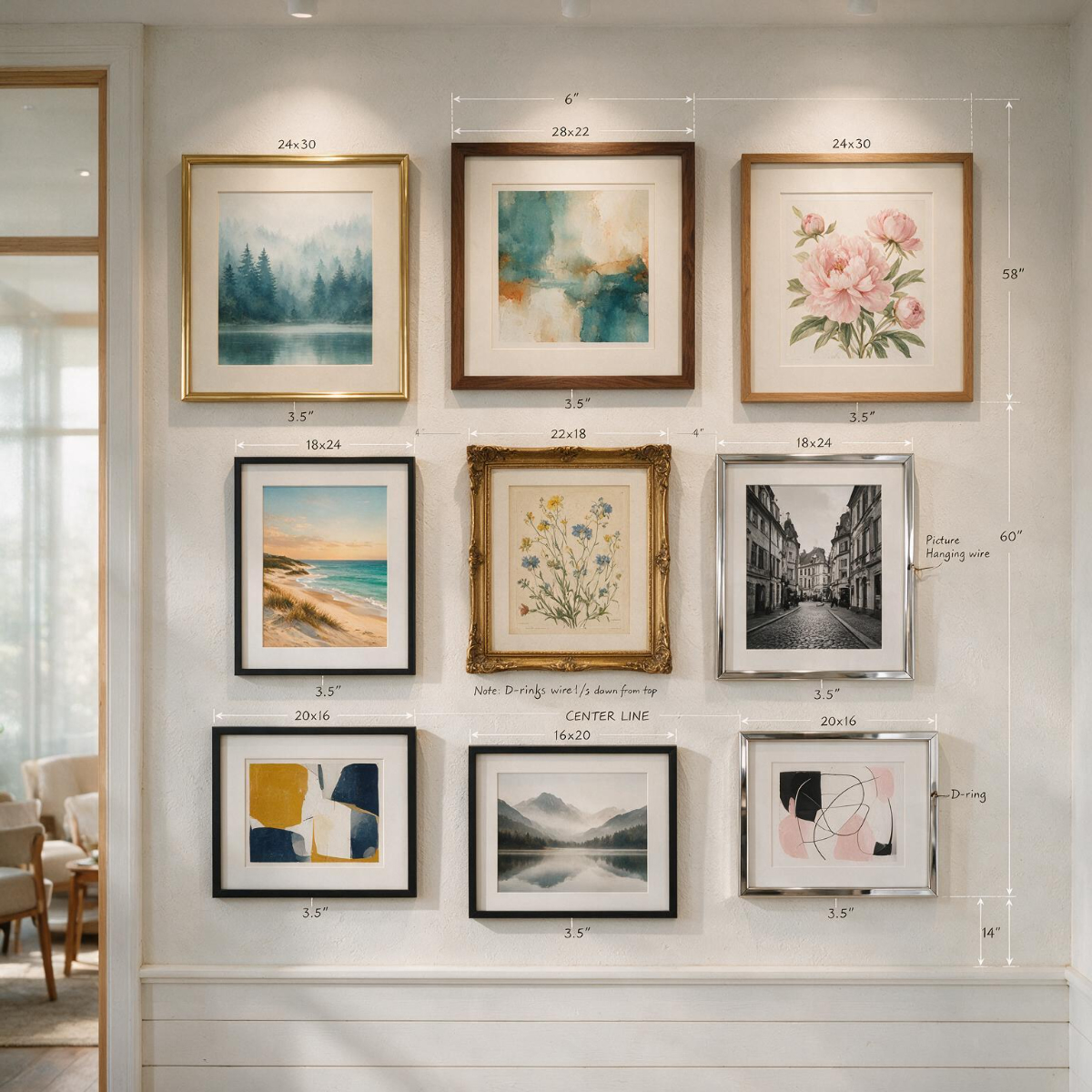
Eye level in museums is generally about 57 inches from the ground, as it is the average eye height for most adults. It may seem unnecessarily specific, but it is a professional secret for making sure that gallery displays look good right out of the gate.
Space Gallery Walls Accordingly
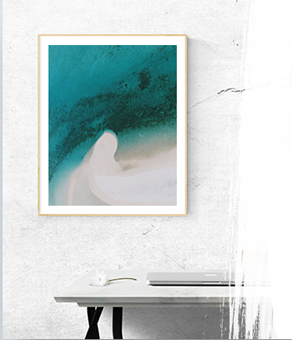
If hanging multiple pieces in a gallery style, allow for two to three inches of space between picture frames. Anything closer creates a cramped appearance while anything farther will make individual frames stand out from one another, defeating the purpose of a cohesive gallery wall. Our post on creating gallery walls using picture frames goes into more detail or try this Pinterest board on gallery wall inspiration for an idea.
Framing Artwork Well Doesn't Always Make It Obvious
For the most part, framing artwork is about these little touches, the combination of which elevates a framed piece beyond something that looks good enough on its own. At Art To Frames, we specialize in custom framing for art and photography throughout the United States. Explore our custom frames online or contact us to see how our professional display solutions can help you create the most appealing gallery wall display for your framed art.